


#4 | CO BRANDING:
When Brands Join Forces to Grow
Co-branding has established itself as one of the most effective innovation strategies in the food and beverage industry across Latin America. In a market shaped by pricing pressures, increasingly demanding consumers, and launch saturation, brand partnerships are helping companies accelerate differentiation, reduce risk, and generate strong impact in both sales and consumer engagement.
In markets such as Colombia and Mexico, these collaborations are already achieving performance increases of up to 40%, positioning themselves as a key growth driver for 2026.

WHY IS CO-BRANDING GROWING?
Co-branding is no longer tactical; it is strategic. Its growth is driven by four key factors:
01
Accelerated Innovation
Launch new products by leveraging existing brand equity instead of building it from the ground up.
02
Risk Reduction
Leverages already established brands, increasing the probability of success.
03
Conversation and Virality Generation
Collaborations spark organic curiosity and drive high engagement.
04
Brand Value
Transfer
A brand can adopt the attributes of another (indulgence, health, nostalgia, etc.).
WHAT TYPES OF COBRANDING PARTNERSHIPS EXIST?
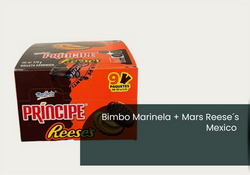
• HYBRID PRODUCT :
A collaboration where two brands combine their attributes to create a new product, a new line, or even a new category.
 |  |  |  |  |
|---|---|---|---|---|
 |  |  |  |  |
 |  |  |  |  |
• FOODSERVICE MEETS CONSUMER BRANDS :
Fast food restaurants partner with a massive iconic product or brand.
 |  |  |  |  |
|---|---|---|---|---|
 |  |  |
• “POWERED BY” INGREDIENT :
The star ingredient is the main reason why consumers buy the product.
 |  |  |  |  |
|---|---|---|---|---|
 |
• LIMITED EDITIONS :
Time-limited collaborations designed to create urgency—this approach is commonly used for all types of cobrandings (I&O).
 |  |  |  |  |
|---|---|---|---|---|
 |  |
OPPORTUNITIES FOR BRANDS IN 2026
• Categories with the greatest potential:
Healthy snacks, functional beverages, premium coffee, ice cream, and controlled indulgence—all combine emotional accessibility with a value-driven narrative.
• Strategic partners to identify:
Look for brands with high household penetration, proven emotional equity, and complementary audiences.
• Convenience and e-commerce channels are the ideal launchpad:
They offer agility, first-party data, and consumers who are more open to trying new products.
• Limited edition + perceived scarcity = purchase urgency.
FOMO is a more powerful conversion lever than discounts.
These and many other trends will shape the direction of innovation in food and beverages throughout 2026.
At MANE, we are ready to help you identify opportunities, validate concepts, and co-create winning solutions that connect with today’s—and tomorrow’s—consumers.
